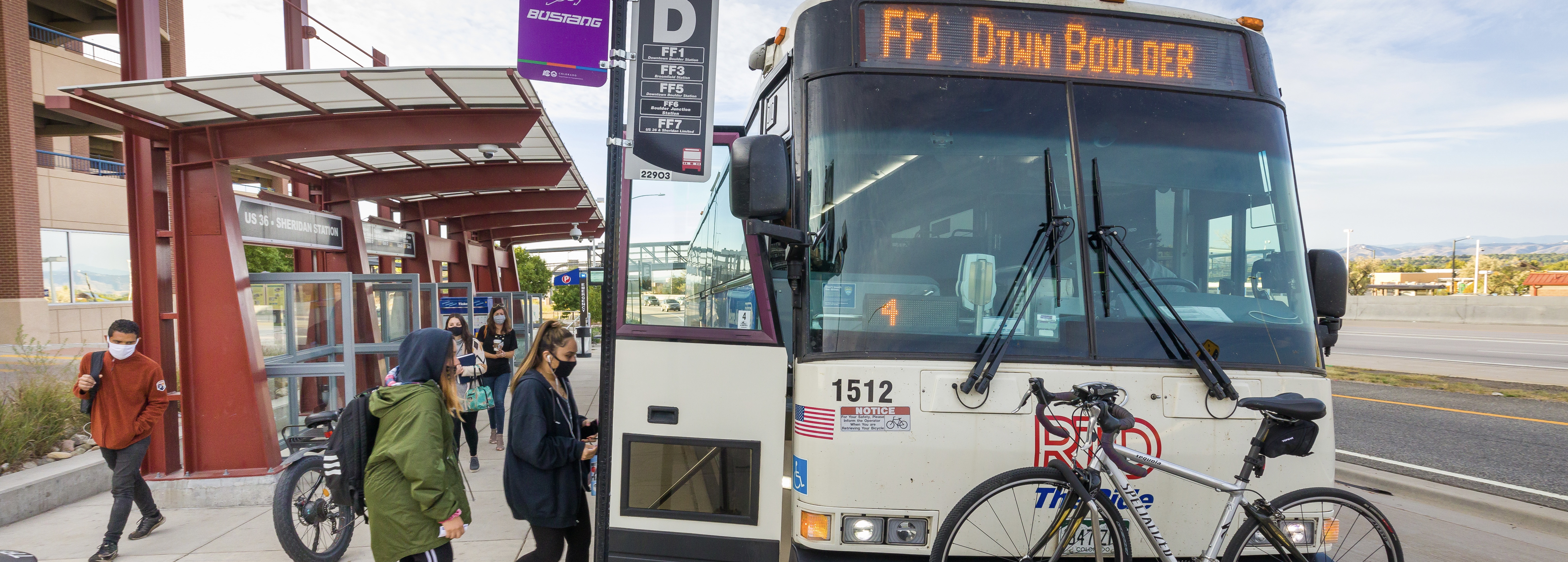
የአውቶቡስ ማቆሚያ መሠረተ ልማት እና የተደራሽነት ግምገማ (BSIAA)
የአውቶቡስ ማቆሚያ መሠረተ ልማት እና የተደራሽነት ግምገማ (BSIAA) የተካሄደው ከ2024 የበጋ ወቅት እስከ ሰኔ 2026 ሲሆን ከ2000ዎቹ መጀመሪያ ጀምሮ የRTD የመጀመሪያው በስርዓት አቀፍ ደረጃ የአውቶቡስ ማቆሚያ ሁኔታዎችን ግምገማ ነው። የአውቶቡስ ማቆሚያዎች የRTD አውታረ መረብ በጣም የሚታዩ እና በስፋት የተከፋፈሉ ክፍሎች ሲሆኑ ደንበኞች እንዴት መጓጓዣን እንደሚደርሱ፣ እንደሚለማመዱ እና እንደሚገነዘቡ ይቀርጻሉ። BSIAA የተዘጋጀው የአሁኑን የአውቶቡስ ማቆሚያ ሁኔታዎችን ለመገምገም፣ የተደራሽነት ክፍተቶችን ለመለየት እና በዴንቨር ሜትሮ ክልል ውስጥ የወደፊት ኢንቨስትመንቶችን ለመምራት ግልጽ የሆነ ማዕቀፍ ለመዘርጋት ነው።
በከፊል በ2023 በፌዴራል ትራንዚት አስተዳደር ቋሚ የድህነት ድጎማ ዘርፎች የገንዘብ ድጋፍ የተደረገለት BSIAA የRTDን ስትራቴጂካዊ እቅድ ቅድሚያ የሚሰጣቸውን ጉዳዮች በደንበኛ ብቃት፣ በፍትሃዊነት እና በማህበረሰብ እሴት ዙሪያ ያራምዳል። ጥናቱ በስምንት አውራጃዎች ውስጥ በግምት 7,500 የአውቶቡስ ማቆሚያዎች ላይ ያሉትን የተደራሽነት ሁኔታዎች፣ መገልገያዎች፣ ባለቤትነት እና ጥገና ይመዘግባል፣ ይህም እስካሁን ድረስ የRTD የአውቶቡስ ማቆሚያ አውታረ መረብን በጣም አጠቃላይ ቅጽበታዊ ገጽ እይታ ይሰጣል።
የአውቶቡስ ማቆሚያ መሠረተ ልማት እና የተደራሽነት ግምገማ (BSIAA) ምንድን ነው?
BSIAA ምን አገኘ
የBSIAA የተደራሽነት ተግዳሮቶች ጉልህ እና ሰፊ መሆናቸውን ያረጋግጣል። በግምት ሁለት ሶስተኛ የሚሆኑት ማቆሚያዎች የአሁኑን ዝቅተኛ የADA ተደራሽነት መስፈርቶችን አያሟሉም፣ በአብዛኛው የሚከሰተው በመንሸራተቻ ቦታዎች፣ ከመጠን በላይ የሆነ የመሻገሪያ ተዳፋት ወይም ያልተሟሉ የእግረኛ ግንኙነቶች ምክንያት ነው። እንደ መቀመጫ፣ መጠለያዎች እና መብራቶች ያሉ መገልገያዎች በስርዓቱ ውስጥ በስፋት ይለያያሉ፣ ይህም ወጥ የሆነ የክልል አቀራረብ ሳይሆን ታሪካዊ የኢንቨስትመንት ቅጦችን ያንፀባርቃል። አንዳንድ ከፍተኛ የተሳፋሪ ኮሪደሮች የተሻሻለ መሠረተ ልማትን የሚያካትቱ ቢሆኑም፣ ብዙ ማቆሚያዎች በጣም መሠረታዊ የሆኑትን ነገሮች ብቻ ይሰጣሉ።
- በግምት 43 በመቶ የሚሆኑ ማቆሚያዎች መቀመጫዎችን ያካትታሉ
- በግምት 17 በመቶ የሚሆኑ ማቆሚያዎች መጠለያዎችን ያካትታሉ
- በግምት 36 በመቶ የሚሆኑ ማቆሚያዎች መብራትን ያካትታሉ
- በግምት 24 በመቶ የሚሆኑ ማቆሚያዎች የቆሻሻ ማጠራቀሚያዎችን ያካትታሉ
ግምገማው የአውቶቡስ ማቆሚያ አስተዳደርን ውስብስብነትም ያጎላል። RTD የመጓጓዣ አገልግሎትን የሚያከናውን ቢሆንም፣ አብዛኛዎቹ የአውቶቡስ ማቆሚያዎች በማዘጋጃ ቤት ወይም በክልል የመንገድ መብት ውስጥ ይገኛሉ። ተደራሽነትን እና መገልገያዎችን ማሻሻል በከተሞች፣ በካውንቲዎች፣ በCDOT፣ በግል ገንቢዎች እና በRTD የተቀናጀ እርምጃ ይጠይቃል።
የወደፊት ውሳኔ አሰጣጥ ማዕቀፍ
ወጥ የሆነ እና ፍትሃዊ የሆነ ኢንቨስትመንትን ለማስተዋወቅ፣ BSIAA አራት የአውቶቡስ ማቆሚያ ዓይነቶችን - መደበኛ፣ የተሻሻለ፣ ፊርማ እና ፕሪሚየም - በተሳፋሪዎች እና በአገልግሎት ድግግሞሽ ላይ በመመስረት ያቀርባል። እያንዳንዱ የማቆሚያ አይነት የተወሰኑ አስፈላጊ እና ተመራጭ አገልግሎቶችን ያካትታል፣ ይህም RTD እና አጋሮቹ የመሠረተ ልማት ኢንቨስትመንቶችን በአውታረ መረቡ ውስጥ ማቆሚያዎች እንዴት እንደሚሰሩ እንዲያቀናጁ ያግዛቸዋል።
BSIAA በተጨማሪም ተደራሽነትን፣ ፍትሃዊነትን፣ የተሳፋሪዎችን ቁጥር፣ የአገልግሎት ድግግሞሽን፣ ወደ ቁልፍ መዳረሻዎች መድረስን እና የትግበራ ዝግጁነትን ከማጤን በተጨማሪ ግልጽነትን ቅድሚያ የሚሰጥ የትግበራ ማዕቀፍ ያቀርባል። ይህም RTD እና ማዘጋጃ ቤቶች ማሻሻያዎች የት ከፍተኛ ተጽዕኖ እንደሚያሳድሩ ለመገምገም እና የእርዳታ ማመልከቻዎችን፣ የካፒታል ፕላን እና የኮሪደር ደረጃ ፕሮጀክቶችን ይደግፋል።
ቀጣይ እርምጃዎች
RTD አሁን ከዕቅድ ወደ ቀድሞ ትግበራ እየተሸጋገረ ነው። በBSIAA ውስጥ ተለይተው የሚታወቁት የአጭር ጊዜ እርምጃዎች ቅድሚያ የሚሰጣቸውን ውጤቶች ወደ ካፒታል እቅድ ማዋሃድ፣ ከፍተኛ ፍላጎት ባላቸው ቦታዎች ላይ የተደራሽነት ማሻሻያዎችን ማሳደግ፣ ከስልጣን ክልሎች ጋር የጥገና ቅንጅትን መደበኛ ማድረግ እና ቀጣይነት ያለው የውሂብ አስተዳደር ፕሮቶኮሎችን ማቋቋምን ያካትታሉ። በሚቀጥሉት ዓመታት፣ RTD የአገልግሎት ቅጦች እየተሻሻሉ ሲሄዱ የታይፕሎጂ ምደባዎችን ያዘምናል፣ ማሻሻያዎችን ከክልላዊ የገንዘብ ድጋፍ እድሎች ጋር ያስተካክላል፣ እና ለእግረኛ መንገዶች፣ ለመንገድ መወጣጫዎች እና ለቆመ ቦታ መገልገያዎች የጋራ ኃላፊነቶችን ለማሳደግ ከማዘጋጃ ቤት አጋሮች ጋር ይተባበራል።
የRTD የአውቶቡስ ማቆሚያዎችን ማሻሻል በክልሉ ውስጥ ትብብር የሚጠይቅ ደረጃ በደረጃ የሚከናወን የብዙ ዓመታት ጥረት ይሆናል። BSIAA ለዚህ የረጅም ጊዜ ሥራ መሠረት ይሰጣል - የወደፊት ኢንቨስትመንቶች ተደራሽነትን፣ ፍትሃዊነትን፣ የደንበኞችን ምቾት እና በRTD አገልግሎት በሚሰጡ ሁሉም ማህበረሰቦች ውስጥ የበለጠ ወጥ የሆነ የመጓጓዣ ልምድን ማራመድ።