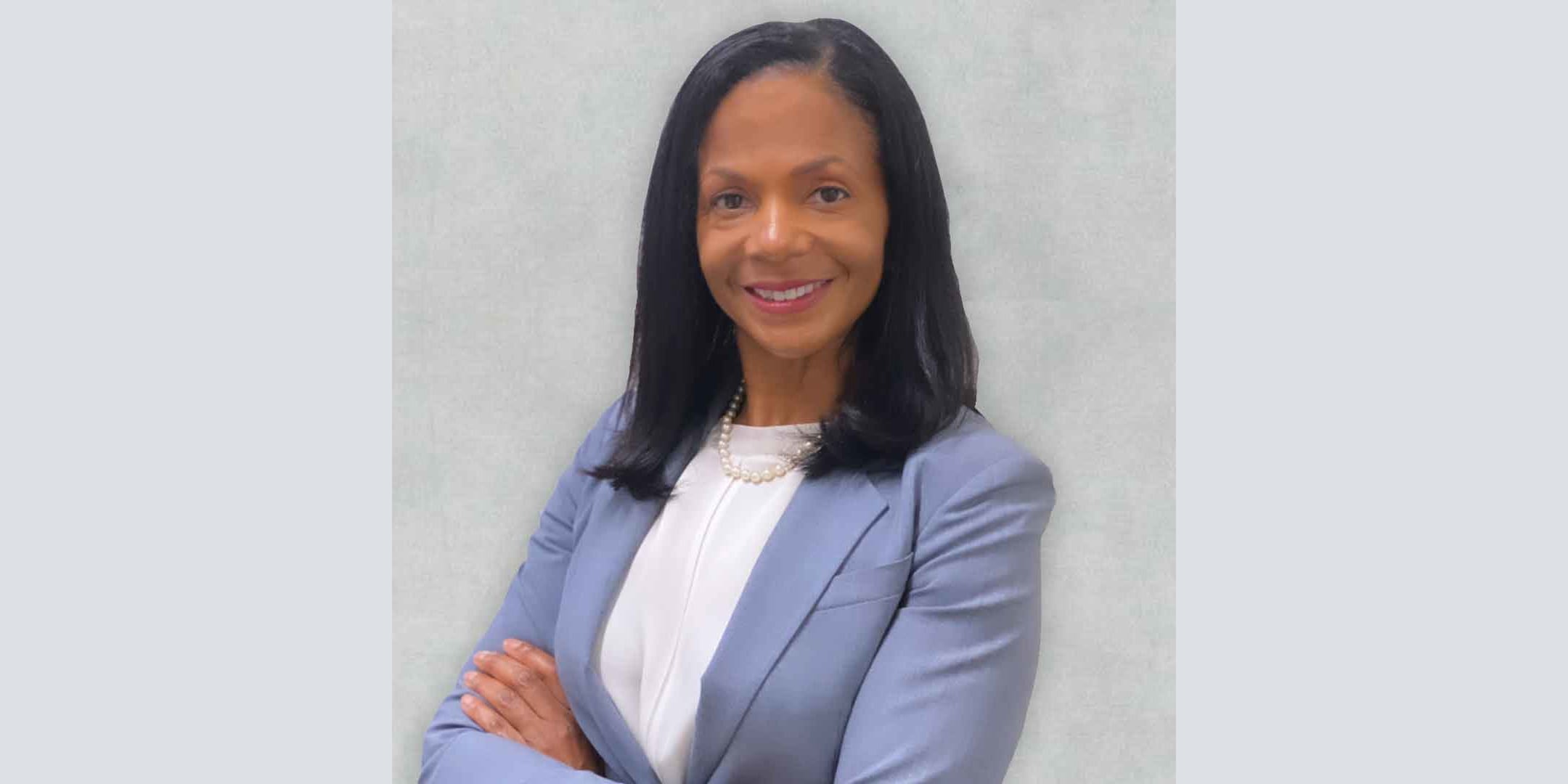
‘I want to hear what people are thinking’
In the third part of our conversation with Debra Johnson, RTD’s new CEO and general manager reflects on her values, her first experiences using transit and her views of transit equity. Yesterday’s exchange – in which Debra speaks about her views toward community outreach and connecting with the public – is available here.
You have noted that every employee plays an important role in the day-to-day work of a public agency. What will you be saying to RTD’s staff in the coming days?
We have all battled something during the course of this pandemic. We could be contending with issues in our own personal lives. We could be dealing with the angst and the anguish and anxiety and even depression by not being able to go about our day-to-day lives. However, as we talk about these different issues, each and every one of us has a role to play. We’re very analogous to a puzzle: When you look at a box top cover, there’s a photograph, generally, on that cover. And you’re trying to put that puzzle together. If you’re just missing one piece, that photograph on top of that box cover will never be complete. We may not have an understanding of what everybody does, but we should have respect for what each other does.
Bringing that picture full circle is what enables us to deliver service. When you have individuals that clean the vehicles, that’s very important as they come in at night. And you may probe a farebox. You have people that are cleaning the various operator compartments, then it goes through the bus wash, then it’s going to go into the shop, and perhaps they’re going to do some diagnostic work. All of these things come full circle to ensure that that operator will have that bus readily available for pullout the next morning. In turn, the executive director over some aspect within transit service delivery – which I like to call it, as opposed to operations – has that ultimate goal. All that circles back to the CEO, who can then step forward and say yes, we are delivering service.
It’s always from someone’s vantage point. When I engage with operators and they’ll say, you don’t know what it is to drive a bus, or you don’t know what it is to be in this operator compartment and berth a train at a platform, my question is, do you know what it’s like to make payroll? Do you know what it’s like to draft a strategic plan? You may not have an understanding, but all of the things that we do collectively ensure that the organization runs.
And so, what will I be saying to employees in the next coming days? I will be talking to them about my teachable points of view, what basically are things that are instilled in me as an individual to lead an organization. And those have come through experience that I’ve gained, lessons learned. I have a couple of them, and I’ll be sharing them with individuals because I think that will enable us to work better together. One, just as a teaser, is “closed mouths don’t get fed.” And what does that really mean? That was an adage I grew up with that my mother used to say to me. And basically, it’s like, if you have something that you’d like to share, don’t hold back. I am one to listen to ideas. I want to hear what people are thinking. As long as people aren’t disrespectful and indignant and use profanity, you can say whatever it is. It can be something that I may not agree with, but as long as you have respect for self and respect for others, I’m amenable to hearing what it is that you have to say. Because if I can’t accept that, then I’m the wrong leader in the organization. That’s very much in line with doing a customer satisfaction survey, an employee satisfaction survey. Why would I ask people opinions if I’m not going to do anything with the information?
What are the values that guide your work and your life? Are there things you still think about that go back to your childhood?
Oh, of course. It’s operating with integrity, doing what’s right even when no one’s watching. That’s very, very important. I can remember as a kid, my mother would say, don’t go out there and embarrass me. I’m being reared by my parents, and my behavior and my actions are a reflection upon them. That’s what was instilled within me. Even to this day, people comment that I still say “please” and “thank you” when I send emails. But why wouldn’t I? Some of the most important things we learned are in kindergarten: Don’t throw sand in one another’s eyes. That’s the same thing: Don’t hurl some kind of hateful slurs or just be really indignant. Oftentimes we can get caught up in our emotions, but it says more about you than it does about the other person.
For me, that’s very, very important. I’m not going to sacrifice what my moral compass is telling me to do for the betterment of a job, because I have to be able to get up in the morning and look at myself. And I am very transparent in reference to my thoughts. I try to be forthright in the sense of what I can disclose. Of course, there’s instances dealing with lawsuits, litigation, all those types of things, where I’ll say that I’m not in a position in which I can share that with you, but please know that I’m committed to doing X, Y and Z. Those are the types of things that have shaped who Debra Johnson is and who I remain to be, because they are very important to me.
What’s your earliest memory of using transit? Where were you going, and what feelings did you experience? What about it remains with you?
My earliest experience using transit was getting to school. I lived in one neighborhood and I basically was bused to another neighborhood, so I’d have a better opportunity for my educational experience. I found it to be a sense of independence for me so I could get around on my own. It unleashed me from limitations, and I know that sounds cliché, but that actually resonates with me. And I remember being able to ride the bus with my friends. I grew up in Fresno (California), and I remember the buses didn’t run on Sunday back in the ‘70s, early ‘80s. And when I think about the vast percentage of transit ridership throughout this country – those that are dependent on it, according to a Pew Research Center study – is 54% of the ridership across the country are single mothers of color. They need the modes of transport to get to and fro. For me it’s very important, being a black woman, recognizing the importance of public transportation.
Putting the racial demographic aside, more women are taking transit just holistically. Stanchions, the straphangers, are often too high, because men are designing them. So, it’s a litany of differences that come into mind when I think about transit experience. I think about inequities, be they gender inequity, be they racial inequity as we look at how service is provided in certain areas when you have BRT (bus rapid transit), which is basically a lot more cush versus your standard bus, making the same trip but doing it in a different fashion – taking city streets that could be riddled with potholes. You’re often on an over-the-road coach with BRT, having different amenities that are available. Those are my impressions, and they are still with me because these are still things that we are dealing with in today’s age.
What does the concept of transit equity mean to you?
We know that equity or, better yet, transit inequity, is institutionalized – at least, I know that. I can’t make assumptions for what everybody else thinks. There are a myriad of different inequities when you talk about people living in the suburbs. We’ve had gentrification. When you talk about the suburb aspect of it and you’re trying to get these suburban commuters into whatever business district it is they are trying to access; hence, most transit agencies want to entice commuters to ride its system with the advent of bus rapid transit, and you have all these vehicles that look very much like rail cars. Tires are just different. Generally within the inner city, transit agencies are running standard buses through areas where there’s not optimal development, and the way that transit agencies in the country are still riddled, that spawns back to the advent of what was happening back with red-lining, with the advent of the interstate highway system being built in the ‘50s, there’s still remnants of that. And so we collectively can’t transform into an equitable transit system overnight when we have infrastructure in place that has segregated neighborhoods.
People are cognizant of the fact, but it will take a lot of money, it will take a lot of understanding, and oftentimes in this day and age, we don’t have that type of patience. We want things immediately, and taking the investments we’ve had and throwing them out and trying to start something anew, there’s no funding in place to do that. And do we have champions in different political climates that are willing to take that on? Oftentimes, you don’t have enough time in which to do that, because somebody is elected for a four-year term. Do they want to jeopardize their office for something that may not have a return on investment for years to come? I think what we need to do is have a seat at the table, engage in difficult conversations, and really ensure that there is an earnest effort in reference to remedying some of the ills of the past. Transportation is just one vehicle – no pun intended – that has come full circle as we talk about the inequity piece.
In the fourth and final part of the conversation tomorrow, Debra speaks to how a transit agency should measure its effectiveness, what she’s reading and what she’s looking forward to experiencing in Colorado. To read that part of the exchange, visit the News Stop.