‘We should be a mobility option of choice’
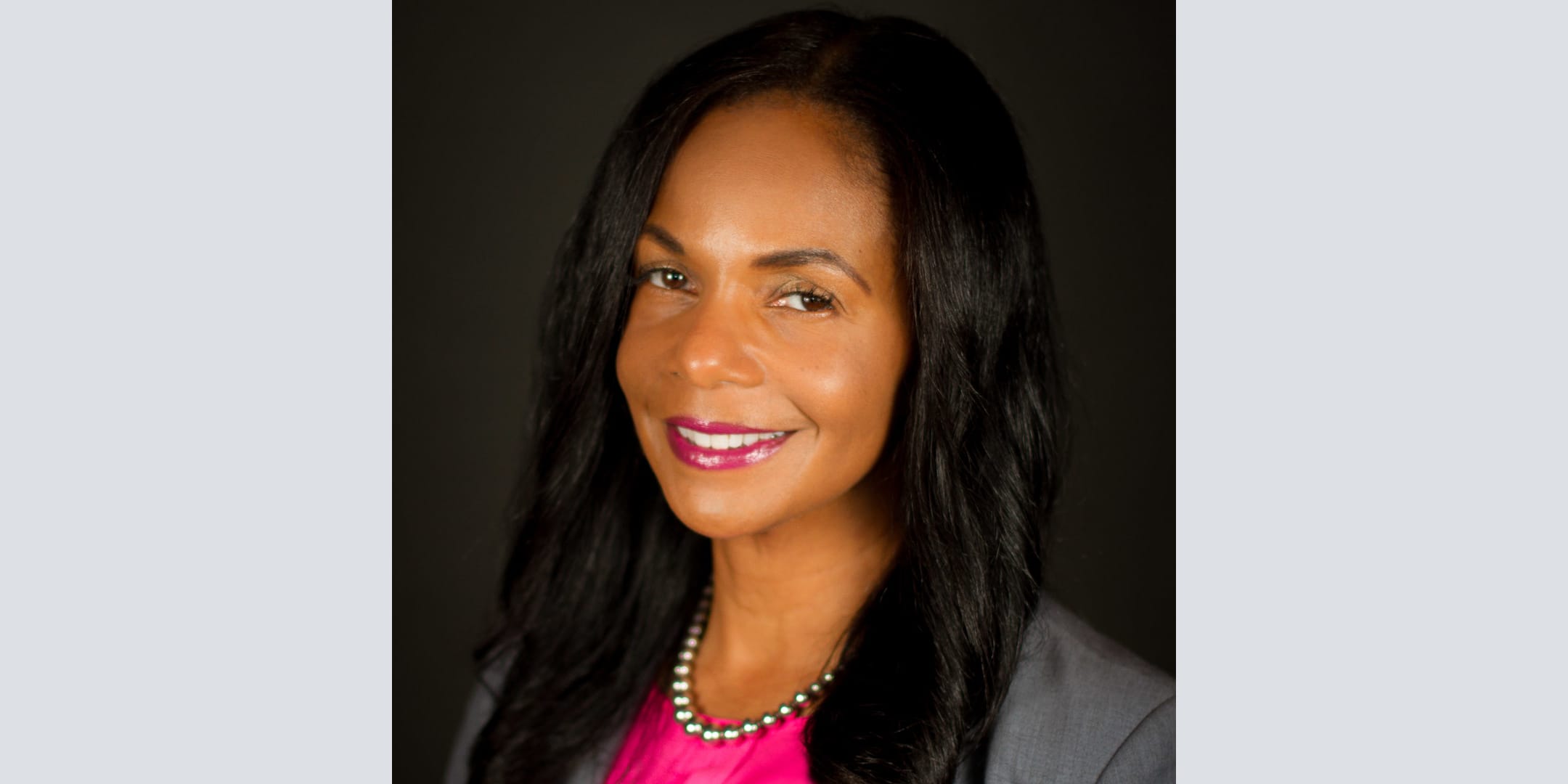
In the fourth and final part of our conversation with RTD’s new CEO and general manager, Debra A. Johnson speaks to how a transit agency should measure its effectiveness, what she’s reading and what she’s looking forward to experiencing in Colorado. Yesterday’s exchange – in which Debra reflects on her values, her first experiences using transit and her views of transit equity – is available here.
How should a transit agency measure its effectiveness?
When we talk about measuring effectiveness, it goes back to some of the things that I spoke about before. It’s really about people. So when we talk about measuring our effectiveness, we can’t do that in a vacuum. We need to be speaking with our customers, we need to talk to our employees internally. We have to have an understanding of what the expectations are, and then basically ensure that we have tools in place to manage the satisfaction relative to those expectations being met, be they by our customers or our employees. So yes, we can have different performance metrics, we can have key performance indicators, but basically this should all be spawned by what it is that we are talking to are people being customers, stakeholders, employees in order to measure effectiveness. Let me give you an example. We have an on-time performance goal, let’s say, of 80% on rubber tire, and let’s say it’s 95% on rail. Well, we can achieve that on-time performance just great, but have we talked about picking up people? So oftentimes we get mired down in the statistics, but not recognizing what the whole aspect of our core business is. We’re people in the people business. We’re supposed to be getting people to and fro. If I’m only looking at on-time performance about whether the vehicle arrived or not and I’m not talking about how many people I picked up on said vehicle, then that statistic is meaningless.
In your video presentation for the general manager/CEO position, you said that “five years from now, our customers will rank RTD as a leader in service delivery.” What leads you to make such a statement?
We need to start thinking about what it is that we’re providing as a service provider. What are we providing to our customers? It’s about that experience. If we make it so difficult for them to find information where you go on a website and it’s like, where’s Waldo?, what good does that do for us? We’ll get disgruntled customers that are only taking our service because they may not have an option. We should be a mobility option of choice. How do we make that that option? Basically, by engaging and having an understanding of what it is that our customers would like us to do.
Now, recognizing that we don’t have a plethora of money and I don’t have a silver wand, a magic wand, and I’m like Glinda the Good Witch, it’s basically what can we do by having dialogue around what the expectation is. If we are meeting the customer’s expectation, then in turn we have a better opportunity to be that mobility provider of choice. And we may not have the ideal services or products or programs they want, but if we’re engaged, we’re more apt to get a better understanding of what it is. Maybe it’s having an opportunity to have real interaction. I know we’re in this pandemic, but we can be masked up and socially distanced. Do people want to engage more with people? Does it make sense whereby we have our executive team out in the system?
Those types of things can come full circle, but I don’t know what those are because I can’t sit here and make a decision in a vacuum. It’s getting back to engaging with people, having an understanding of what it is and then following up on that. It gets back to the whole notion of what I said earlier: Why would I ask for anybody’s input via survey if I’m not going to act upon it? Doing all these different aspects that I talked about could lead us to having a different framework on how we go about delivering service that, in turn, could potentially lead us to be a mobility provider of choice. And we can even ask a question as simple as that: What do you think RTD can do to make us be your mobility option of choice? Because right now, we don’t know what we don’t know, so we have to engage and ask the questions. That’s why I am optimistic about that coming full circle, when we start thinking through a different vantage point and looking through a different lens.
You have said that you enjoy reading. What books have influenced you, and what are you reading right now?
There’s been a couple of books that have influenced me. One is Alice Walker’s “Possessing the Secret of Joy.” What struck a chord with me is that in relationship to everything that individuals of African descent – and I’ll speak as it relates to me being a black person living in America – with all the social injustices and everything that’s happening or happened and currently happening, we as a people possess some element of joy. When you go back to slave days, people were singing when they were enslaved. Deep within, they could still be joyous. There was something that was feeding them from within. It really, really resonated with me because after all the trials and tribulations, there’s something deep within that black people possess – the secret of joy. And that speaks volumes to me, in the sense that I can relish in the fact that all the adversity – and it’s not just black, there’s a lot of different ethnic groups throughout the history of this world that have been inflicted with some type of angst and wrongdoing – for me, it has lit a fire within. I am so grateful for the opportunities that have been afforded to me. And inherently within me, I do believe that I possess some element of joy, even in the anguish of the days that have come to pass after the unlawful killing of George Floyd and all the other things that we have seen. There’s something within that keeps me going each and every day, and that’s why that book is so profound.
When I go speak with operators, I talk to them about their being an ambassador for the agency, because nobody knows who I am, people don’t know who the chair of the board is, but they will know who their driver is. And I often tell someone, don’t allow that 15- or 20-minute ride with some disgruntled customer to take away your joy, to ruin your livelihood. Just focus on yourself and look inward. If you put on a smile and you greet somebody accordingly and treat them with respect, you could have changed that person’s entire outlook. So that’s why Alice Walker’s book is so important to me, and it spoke to me.
The other book is Wally Lamb’s “I Know This Much Is True.” Growing up in a family, it’s coming to grips with who you are and what you are. Be it good, bad or indifferent, nobody comes with a kind of manual, and growing up in families, it’s what you know to be true within yourself. And folks are doing the best that they can. I think if anything, it gets back to what I said with personality, with possessing the secret of joy. It’s basically looking within and recognizing who you are and what we are, and embracing that for what it is, and not blaming other people for what it is that you’re doing. When people say, I’m not doing this because of that, or this person has limited me – no, no, no, no, no: I think it’s up to you! I think it’s up to you within to decide what that is. Sure, it may be a harder road to hoe, but if you have that commitment, dedication and perseverance about soaring, you can either soar with the eagles or be here on the ground with the chickens.
(As far as what I’m reading now,) I have this book, “Your First 100 Days In a New Executive Job.” I’ve read it three times. Every time I start a new job, I go back as a refresher. It’s a guidepost, reminding me of, look, Debra, you don’t know everything. You got to get in, you got to meet people, you got to assess, you have to have an understanding, it’s informational interviews. We can see where we align. That’s really important for me.
What is something about you that would surprise most people?
I’m actually funny, and I love to dance! I’m really fun. And I say that in the sense that I’ll say things, and I’m not trying to be a comedienne, but I’m like a little old lady. I have these quirky little sayings, like, how you doing? I’m like, everything’s chicken but the gravy, that’s the way the popcorn pops and the cookie crumbles. I’ve become my grandmother. And it’s really funny that I say that, because all the matriarchs in my family – I’m like, Oh, my God: I am becoming those people. But you know what? I embrace it. Because getting older, it’s a privilege denied many.
What gets you up in the morning? What motivates you?
That I was blessed enough to see another day. Carpe diem! Let’s take the bull by the horns and make the best of it. And that adage of getting back to my refrigerator magnets once again: Dance like nobody’s watching, sing as if no one can hear you, love like you’ll never be hurt and live as if this is your last day on earth. That’s what gets me up in the morning.
What are you looking forward to experiencing in Colorado?
I’ll say this: some fresh air. When I flew out right after my appointment and I went to meet with some of the Board members, and we had all the fires (in California) – and I know there’s fire there in Colorado – the whole state was basically on fire. And I had left Denver and I’m flying back into the L.A. basin, and oh, my God: It was horrific. Being in the midst of it, you get used to smog and this, that and the other, which is awful to say, but the clear, blue skies – that’s really what I’m looking forward to. I love getting outside, just being refreshed by breathing in clean air and looking at what nature has to offer. That’s one thing I’m looking forward to, and being in a walkable community. Because being down here in L.A., I live in Marina del Rey and I work in Long Beach. And I drive the 405 (Freeway). This was the only time in my career that I didn’t ride transit every day to work. I’m looking forward to pedaling what I’m pushing.
For the entirety of this conversation, visit the News Stop.