Diversity Spotlight: Building a culture of service during Native American and Alaska Native Heritage Month
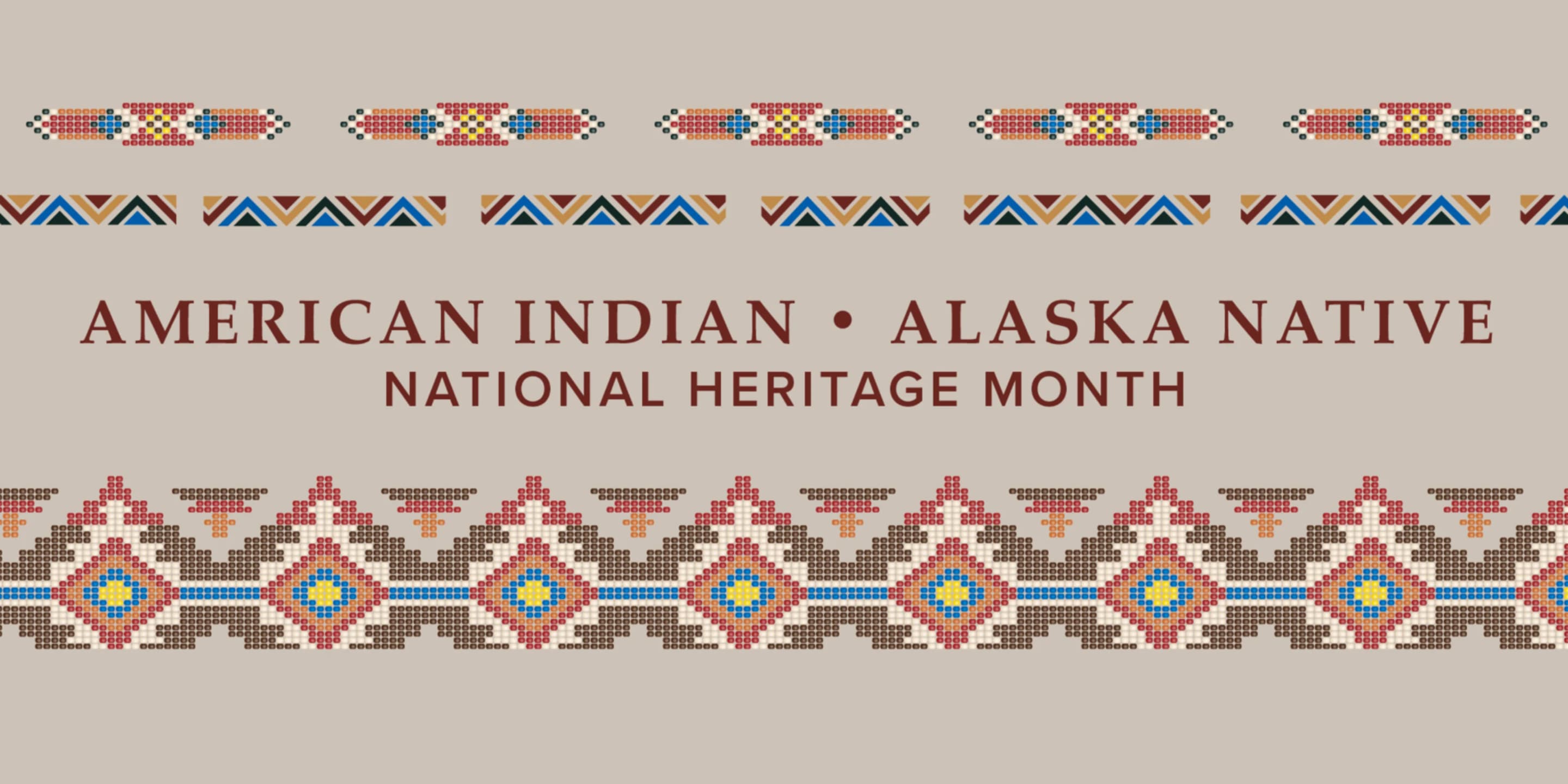
This November, RTD proudly joins communities across Colorado and the nation in recognizing Native American and Alaska Native Heritage Month. This year's theme, 250 Years and Beyond: Building a culture of service in Indian Country, reflects the shared work to recognize past, present, and new avenues of support for tribal communities. As both a public transit provider and an employer, RTD is grateful to serve and work on lands originally belonging to the Ute, Cheyenne, Arapaho, and many other nations long before statehood, and is committed to honoring their contributions today.
Observation through history
Recognition of Native American heritage in the United States began in 1916, when the first "American Indian Day" was celebrated in New York. A monthlong observance did not follow until 1990, when President George H.W. Bush signed a joint congressional resolution designating November as National American Indian Heritage Month. Over the years, the observance has grown to celebrate the heritage, history, art, and traditions of both American Indians and Alaska Natives. In 2009, Congress added Native American Heritage Day on the Friday after Thanksgiving.
The month invites us to look at the whole story: the stalwart resilience of Native communities, the federal and local policies that caused long-lasting harm, and the work Native leaders and communities are doing today to build a stronger future.
Rooted to the land
The Ute people have lived in Colorado's mountains and valleys for centuries, traveling with the seasons to gather, hunt, and trade. Historically, the Muache band of the Ute lived in the Denver area, ranging across the Front Range and plains. Today, the Southern Ute Indian Tribe and the Ute Mountain Ute Tribe, the two federally recognized tribes based in Colorado, carry that heritage forward alongside the Ute Indian Tribe of the Uintah and Ouray Reservation in Utah. The Ute share a close kinship with the Southern Paiute, whose homelands lie to the west and whose language is closely related. On the eastern plains, the Cheyenne and Arapaho made their homes along the creeks and rivers that now run through the communities RTD serves.
Access and movement have always been part of this story. Long before roads and rail lines, Native peoples traveled seasonal routes across the region, and many of those corridors still connect our neighborhoods today. As Colorado marks 150 years of statehood this year, it is fitting to remember that the story of getting around this region began long before 1876.
RTD's commitment
RTD is committed to and continues to work to honor its legacy, as well as the legacy of Native Americans and Alaska Natives, today in the following ways:
Acknowledging the original stewards of the land
The RTD Board of Directors acknowledges that the land on which the agency’s buses and trains operate is the traditional territory of the Ute, Cheyenne, Arapaho, and other contemporary tribal nations that are historically tied to these lands. tThis acknowledgment demonstrates a commitment to working to dismantle the ongoing legacies of inequity of Native and all historically oppressed peoples.
Partnering with Native communities
RTD works in collaboration with Native-led and -centered organizations to ensure access. Organizations like the Rocky Mountain Indian Chamber of Commerce help RTD connect to the community and ensure access to contract opportunities.
Places to learn and reflect
RTD invites community members to visit the following Colorado sites this month:
Sand Creek Massacre National Historic Site and the Peace Keepers Memorial: Located in Kiowa County, this site commemorates the 1864 attack on a Southern Cheyenne and Arapaho village. The Peace Keepers memorial, honoring the victims and the leaders who sought peace before and after the massacre, has been installed at the Colorado State Capitol and will be unveiled at the start of November, a tribute shaped by decades of dedication from descendants.
Clifford Duncan Ute Learning Garden: This Grand Junction ethnobotany garden, created with Ute elders, reflects the seasonal routes Ute families once followed and shows how native plants provided food, medicine, and shelter.
Chimney Rock National Monument: Within the Southern Ute Indian Reservation, this 1,000-year-old Ancestral Puebloan site aligns with the moon's rare standstill cycle. It is managed in consultation with 26 tribes, all of whom value the site.
Plains Conservation Center: On ancestral Cheyenne and Arapaho lands in Aurora, this prairie preserve offers free trails, replica tipi camps, and programs that honor Native voices.
Looking ahead
Native American and Alaska Native Heritage Month celebrates the past and asks what comes next. Listening to Native voices and supporting Native-led work are ongoing commitments, not seasonal ones.
RTD recognizes and honors the Native peoples whose history and leadership continue to strengthen Colorado. The agency remains committed to fostering an inclusive workplace and transit system that welcome and serve everyone, while supporting communities where all stories are told, honored, and carried forward.