RTD launches Comprehensive Operational Analysis to shape future of transit service across the Denver metro area
RTD is launching a major analysis to redesign its transit network and meet the needs of a changing region by improving reliability, connectivity, equity, and long-term sustainability. The Comprehensive Operational Analysis (COA) is an 18-month, districtwide effort to evaluate how transit service should evolve to meet the region’s current and future needs.
The COA is an extensive, forward-looking planning initiative that will assess RTD’s entire network, including bus, rail, demand-response, and paratransit services. Similar to the agency’s previous COA, which was titled the 2022-2026 System Optimization Plan, the effort will present a short-range service plan aligned with RTD’s projected resources for 2028 to 2032. The COA will also provide a long-range vision informed by population growth, land usage, and travel trends across the greater Denver metropolitan region. The recommended future network design will consider customer, community, and stakeholder feedback.
The need for systemwide analysis
The COA is designed to answer a fundamental question: How can RTD best align its services with today’s travel patterns, community priorities, and available resources? In recent years, mobility needs have changed substantially across the metro area while creating new demands on the transit system. The analysis will provide a comprehensive assessment of the existing network of services, including performance, route design, and cost effectiveness, while identifying gaps and opportunities for improvement. It will also evaluate travel markets and customer needs to ensure future service reflects how and where people are moving today. Equally important, the COA will help the agency focus its limited operating resources on improvements that provide the greatest benefit to customers.
“RTD’s services in the years ahead will not look the same, and that is to be expected as our customers continually change how they move throughout the Denver metro area,” General Manager and CEO Debra A. Johnson said. “The agency’s Comprehensive Operational Analysis is a critical effort that will ensure RTD remains intentional in its approach to its core business, which is transit service delivery. The work will ground the agency and its customers in fiscal responsibility and optimization, establishing services that are both useful and financially sustainable.”
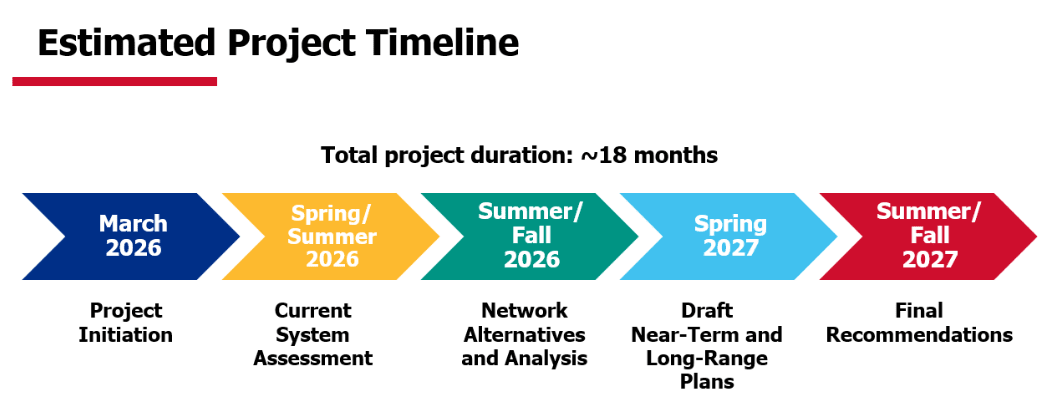
Rather than producing a single final report, the COA will unfold in phases, with key deliverables shared publicly throughout the process. In summer 2026, RTD will release a Current System Assessment, which will provide a clear picture of how the system currently performs and where demand is expected to grow. Later in 2026, a Network Alternatives and Analysis will outline different approaches to meeting that demand, including potential changes to routes, frequency, and service types. The process will continue with a preferred network and final recommendations, giving the public and stakeholders multiple opportunities to review and provide input.
Who is leading the work
The COA is supported by a $3.5 million funding authorization approved by RTD’s Board of Directors in July 2025. This investment ensures the agency can fully evaluate how to efficiently use its limited operating resources to deliver the most benefit to customers and RTD's service area. When completed, the COA will outline a multi-year approach to delivering transit services that align with current fiscal constraints.
Following a competitive procurement process in late 2025, RTD selected Jarrett Walker and Associates as the prime consultant. The firm specializes in transit network design and will lead a team of subconsultants with strong local expertise, ensuring the work reflects the unique characteristics and needs of the Denver region.
While the COA is an analysis, it is also intended to support future decision-making by clearly outlining options and tradeoffs. The final outcome will include an updated transit network with detailed routing, service frequencies, resource requirements, and a step-by-step rollout of changes. It will also provide the Board with data-supported choices to guide policy decisions about service priorities.
“The COA is about doing the work needed to understand where our system is today and what it will take to meet the region’s needs tomorrow,” RTD Deputy CEO Angel Peña said. “That means building alignment around choices and ensuring decisions reflect both the agency’s financial reality and our responsibility to provide equitable access to transit. We have an obligation to deliver a plan that is data-driven and responsive to the diverse communities we serve.”
What the COA will deliver
For customers, the effort is about long-term reliability and relevance. The COA will explore multiple scenarios, some prioritizing ridership and frequency, while others emphasizing geographic coverage or access. Each approach comes with tradeoffs, and the process is designed to make those tradeoffs clear and transparent. This could mean more frequent service in high-demand corridors, new connections in growing areas, or adjusting service where demand has shifted. RTD will offer multiple opportunities to customers, community groups, and local governments to provide input during future public meetings expected summer 2026.
Equity is another central component of the COA. All proposed changes in the near-term service plan will undergo a Title VI equity review to evaluate the impacts on underrepresented communities. This fact ensures that decisions about service allocation, coverage, and frequency are made with a clear understanding of how they affect neighborhoods across the district, particularly those who rely most on transit.
Timeline for COA
The project formally kicks off in April 2026, with initial assessments expected this summer and draft network concepts publicly available later this year. The short-range plan developed through the COA will guide service changes beginning in 2028.
Travel patterns, community needs, and operational demands have evolved, and the COA ensures the transit network progress alongside them. By grounding decisions in data, engaging the public through the process, and aligning service with available resources, RTD aims to deliver a system that is equitable, efficient, and built to serve the region for years to come.