RTD honors Holocaust Days of Remembrance this week
In 1980, Congress created the United States Holocaust Memorial Council, tasked with memorializing victims, promoting Holocaust education and monitoring global genocides. The Israeli Parliament established Holocaust Remembrance Day (Yom Hashoah), observed on the 27th of Nisan in the Hebrew calendar. Commemorations span a week, from the Sunday before Holocaust Remembrance Day to the following Sunday. In 2024, the Holocaust Days of Remembrance week is observed from May 5 to May 12, with Holocaust Remembrance Day falling on May 6. Refer to the Museum's Remembrance Day calendar for information on future years.
The Kindertransport (Children’s Transport) program, lasting from November 1938 to May 1940, exemplifies transportation equity in Holocaust rescue efforts. By facilitating the relocation of approximately 10,000 predominantly Jewish children from Germany, Austria and Czechoslovakia to Great Britain, transportation was used as a tool for humanitarian aid. The decision by British authorities to admit unaccompanied minors under 17 from German-annexed territories, in response to the violent attacks of Kristallnacht, demonstrates an equitable approach to providing access to transportation for those in need of escape from persecution. Through train journeys from major cities and flights from Czechoslovakia to ports in Belgium and the Netherlands, followed by passage to Harwich, children were afforded the opportunity for safety and security. This equitable distribution of transportation resources ensured that vulnerable individuals had the means to flee danger and seek refuge, underscoring the importance of transportation equity in times of crisis.
Henry Lowenstein’s life story highlights the transformative power of transportation equity. As a Kindertransport refugee, he experienced firsthand how access to safe and reliable transportation can be a lifeline for individuals facing persecution and displacement. His journey from Berlin to safety in England –and, eventually, Denver – not only saved his life but also opened new opportunities for personal growth and cultural enrichment.
Moreover, Lowenstein's dedication to ensuring access to theater for all reflects a broader commitment to equity and inclusion. By pioneering programs in schools and neighborhoods and staging performances in public spaces like Cheesman Park and the Festival Caravan Theatre, he made the arts more accessible to communities across Denver. In doing so, he not only enriched the city's cultural landscape but also democratized access to the transformative power of storytelling and performance. Lowenstein's efforts to preserve the memory of the Holocaust and champion diversity in Colorado theater further underscore the importance of transportation equity in fostering a more just and inclusive society. By breaking down barriers and welcoming individuals from all backgrounds onto the stage and into the audience, he helped create a more diverse and vibrant cultural community. In honoring his legacy, we recognize the vital role that transportation equity plays in ensuring that everyone has the opportunity to participate fully in the cultural and artistic life of the community.
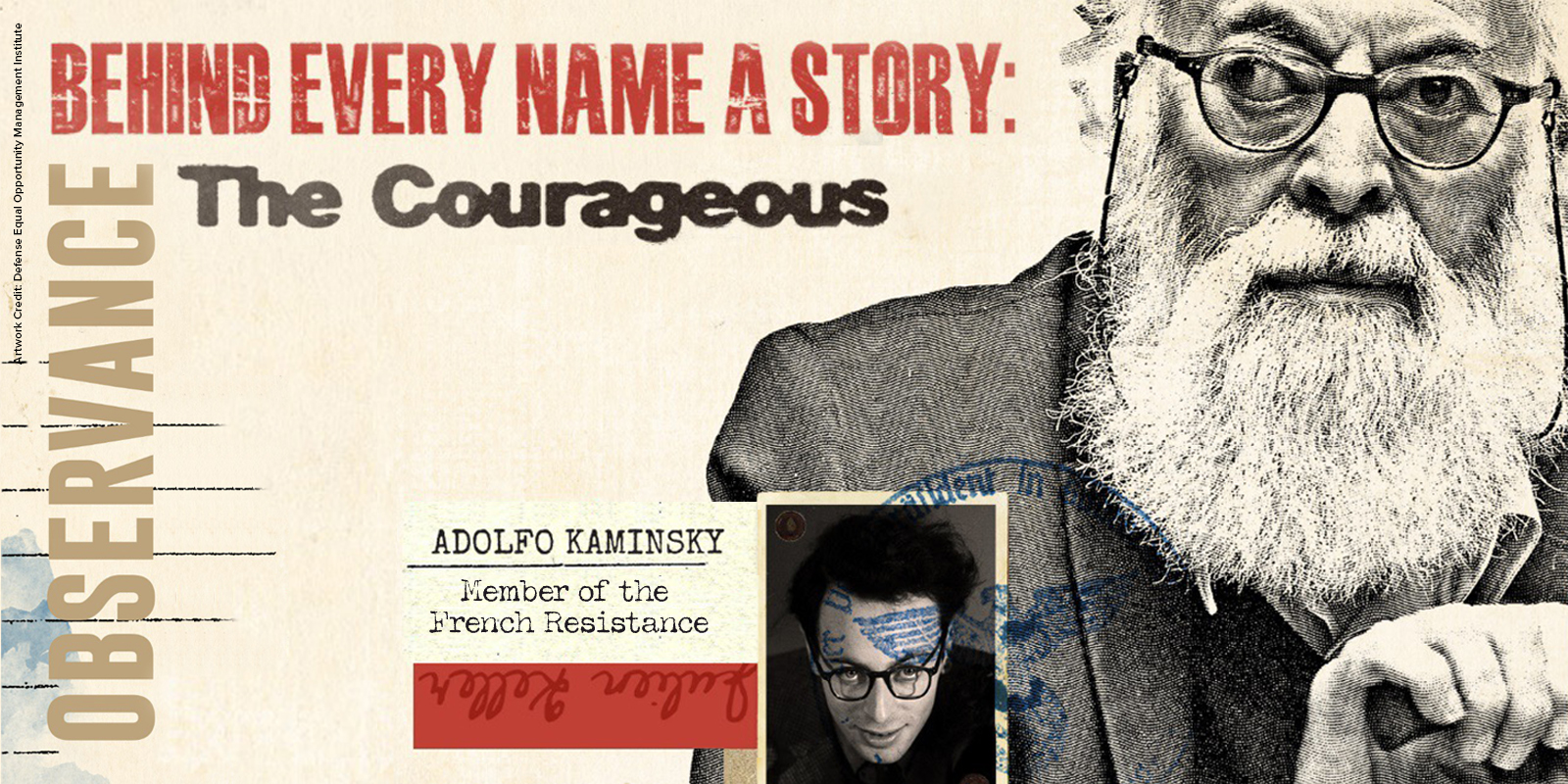
Adolfo Kaminsky's heroism during the Holocaust underscores the profound connection between transportation equity and social justice. By skillfully forging documents, Kaminsky facilitated the escape of over 14,000 individuals from persecution, highlighting the critical role of mobility in times of crisis. His actions serve as a poignant reminder of the transformative impact of equitable access to transportation. Kaminsky's work provided individuals with the means to flee danger and enabled access to essential resources and safe passage to distant destinations. Today, Kaminsky's legacy continues to inspire efforts to promote transportation equity. His daughter, Sarah Kaminsky, advocates for social justice, recognizing that equitable transportation access is fundamental to building inclusive and resilient communities.
RTD is proud to be a workplace and a public transit provider that holds diversity and respect as values while ensuring no one – neither employees nor customers – is discriminated against on the basis of race, color, national origin or any other characteristic protected by applicable federal, state or local laws and ordinances. Concurrently, RTD acknowledges that as a society there is still a long road ahead to ensure diversity, equity, inclusion and belonging for all.
RTD encourages all employees to commemorate the Holocaust and its survivors during the Days of Remembrance, whether with their teams or individually. Some suggestions include:
- Join the Anti-Defamation League (ADL) 43rd Annual Governor’s Holocaust Remembrance Program, from 5:30-7 p.m. May 8.This program allows people of all faiths to come together to honor Holocaust survivors, remember those who perished, educate the community about this horrible crime against humanity and translate those lessons into contemporary action. The event also typically includes remarks from Gov. Jared Polis and an award presentation.
- Visit the Mizel Museum’s exhibit “Abide,” a series of photographic portraits of localHolocaust survivors by Denver University (DU) photographer Wayne Armstrong.
- Attend the 30th Annual Heritage Award Dinner, honoring Colorado Jewish photographers, hosted by the Rocky Mountain Jewish Historical Society (RMJHS) and Beck Archives from 5:30 p.m.-8:30 p.m. May 20. This award ceremony will highlight the contributions of Colorado Jewish photographers over 175 years.
- Join the Denver Jewish Chamber of Commerce (DJCC) for Spring Fling from 10 a.m.-3 p.m. Sunday, May 19, for food trucks and games.
- Attend KlezKolorado, a weekend-long festival from May 17-19. The festival centers local and national Klezmer acts, Yiddish culture, workshops and Colorado’s Jewish community. As a queer-led and -focused group, the extension of this invite is to people of all backgrounds.
As we commemorate Holocaust survivors during the Days of Remembrance, it is incumbent upon us to honor their courage and resilience. Their stories serve as a testament to the unconquerable human spirit and the power of hope in the darkest of times. Through their enduring legacy, we find inspiration to build a more compassionate and inclusive world.
Diversity Spotlight recognizes special observances as set forth by presidential proclamation, executive order and public law, and in keeping with RTD’s commitment to diversity, equity, inclusion and belonging. Please note that participation in these activities is voluntary and unpaid. Supervisor approval is required to participate if events occur during a regularly scheduled shift.