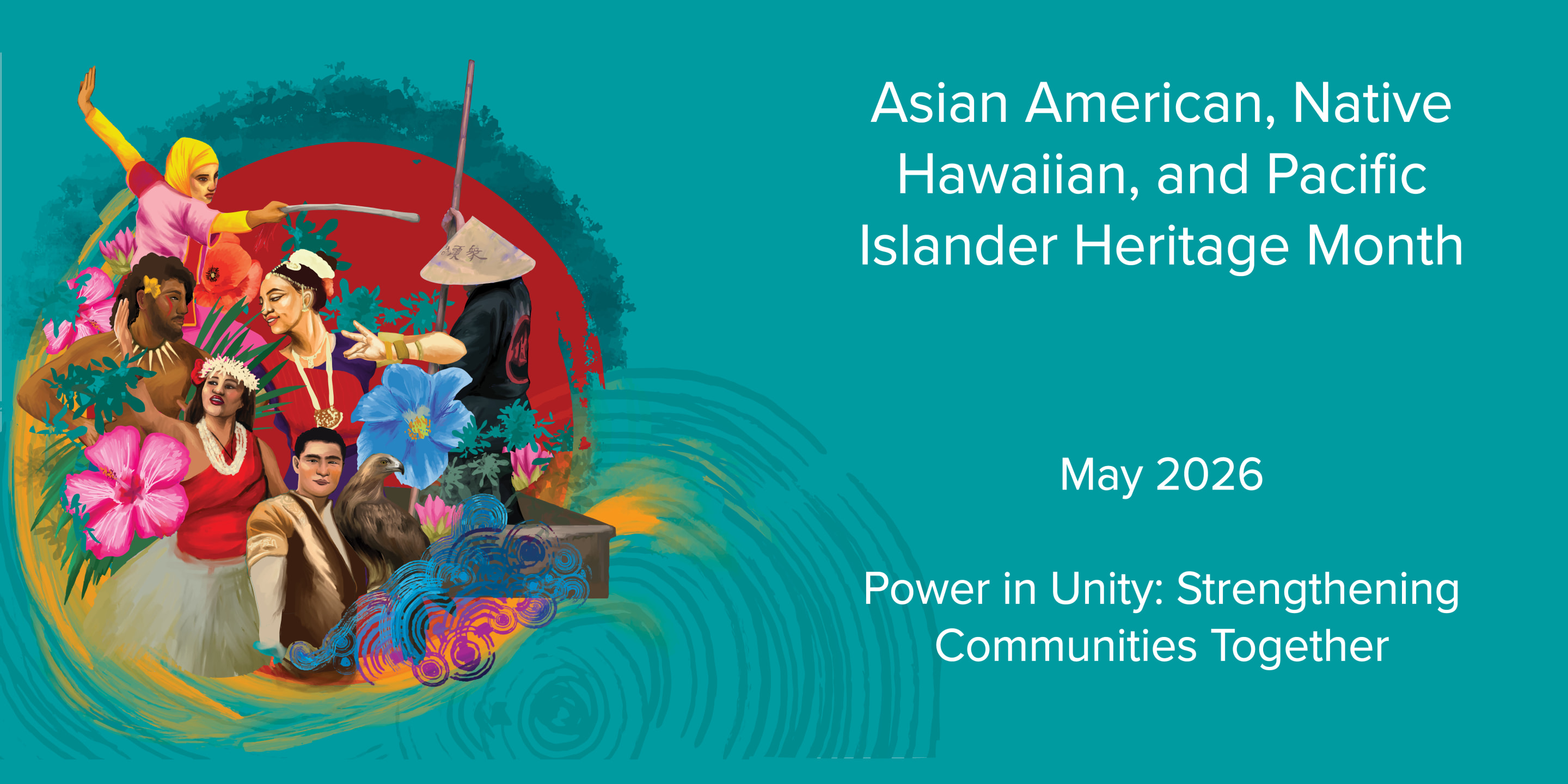
Diversity Spotlight: Strengthening communities together during AANHPI Month
Each May, RTD recognizes Asian American, Native Hawaiian, and Pacific Islander (AANHPI) Heritage Month — a time not only to celebrate culture and history, but also to reflect on the enduring power of community. This year’s theme, “Power in Unity: Strengthening Communities Together,” looks beyond individual contributions and instead consider the collective force that has shaped generations — through resilience, advocacy, and shared purpose.
The origins of AANHPI Heritage Month
The story of AANHPI Heritage Month itself begins with that same spirit of unity. In 1978, after years of advocacy, Congress formally recognized the contributions of Asian American and Pacific Islander communities by establishing Asian/Pacific American Heritage Week. Leaders, such as former U.S. Secretary of Transportation Norman Yoshio Mineta and Hawaiian Sen. Daniel Inouye, understood that recognition was not simply symbolic — it was necessary. It was a way to ensure that the stories, labor, and leadership of AANHPI communities were acknowledged as part of the American experience. By 1992, that recognition expanded to a full month, reflecting a growing understanding of the depth and breadth of AANHPI impact.
The choice of May is deeply intentional. It marks both the arrival of the first Japanese immigrants to the United States in 1843 and the completion of the Transcontinental Railroad — a monumental achievement made possible largely by Chinese laborers. These workers, often facing immense hardship and discrimination, helped physically connect a nation. Their work was not only foundational to infrastructure, but it was also foundational to opportunity, mobility, and economic growth.
A legacy of movement and connection
That legacy RTD recognizes is especially meaningful when considering the role of transportation in shaping communities. Transportation is not simply about moving from one place to another, it is about access. It is about the ability to reach opportunity, to participate in society, and to build a future.
Here in Colorado, that legacy is deeply rooted in our own history. Chinese immigrants played a vital role in building early railroads across the state, contributing to the growth of Denver and the surrounding region. Figures like Chin Lin Sou helped connect communities through the Denver Pacific Railroad, bridging local development with national opportunity. These contributions laid the groundwork for the systems relied on today — and for the communities that continue to thrive because of them.
AANHPI leaders in transportation and public service
From historic milestones to modern innovation, AANHPI leaders have played a critical role in shaping how transportation systems are built, governed, and experienced. Their contributions span generations — reflecting a legacy of leadership rooted in resilience, vision, and commitment to public service.
Norman Yoshio Mineta — A trailblazer in both civil rights and transportation, Mineta helped establish AANHPI Heritage recognition and later became the first Asian American U.S. Secretary of Transportation. His leadership guided national transportation policy during a pivotal time, demonstrating how representation at the highest levels can influence systems that impact millions.
Amit Bose — As head of the Federal Railroad Administration, Bose is shaping the future of rail transportation in the United States. He oversees national rail safety, infrastructure investment, and passenger rail expansion, advancing high-performance rail networks and supporting transformative federal investments. His work is helping modernize rail systems to be more sustainable, resilient, and accessible.
Krystal Ka‘ai — Through her leadership of the White House Initiative on Asian Americans, Native Hawaiians, and Pacific Islanders, Ka‘ai advances cross-agency efforts that address disparities and expand access to critical resources — including those connected to transportation, infrastructure, and community connectivity.
Bill Naito — A visionary at the community level, Naito demonstrated how public transit and community-centered development can transform cities. His work emphasized walkability, accessibility, and vibrant public spaces — principles that continue to shape equitable transportation planning today.
Together, these past and present leaders illustrate how AANHPI contributions extend beyond infrastructure — they shape the policies, systems, and communities that define how people move and connect today.
AANHPI communities shaping Colorado today
In the present day, AANHPI communities continue to shape both the cultural and economic landscape of the Denver metropolitan area, as well as the future of transportation and community development. These efforts occur in collaboration with RTD, reinforcing the importance of partnership in advancing equitable systems.
Organizations such as the Asian Pacific Development Center provide essential services that support immigrant and refugee populations, including workforce development and access to resources. Similarly, Colorado Asian Pacific United works to preserve and elevate cultural histories, ensuring that AANHPI experiences remain visible and recognized.
RTD’s Small Business Opportunity Office (SBO) supports economic equity by creating pathways for small, minority-, women-, and disadvantaged-owned businesses to participate in public contracting opportunities. Through collaboration with partners such as the Asian Chamber of Commerce, SBO connects AANHPI entrepreneurs to certification programs, resources, and contracting opportunities.
Collectively, these efforts represent a shift from historical contributions in infrastructure development to active participation in shaping how transportation systems are designed, implemented, and experienced.
Commemorative events to honor AANHPI Heritage Month
RTD encourages employees and community members to actively participate in local events that celebrate and uplift AANHPI culture, history, and contributions. These events provide meaningful opportunities to engage with community, support AANHPI-owned businesses, and experience the richness and diversity of AANHPI traditions across Colorado.
AANHPI Heritage Month Celebration at DEN |May 22 | 12:30-2:30 p.m. |This performance-based celebration takes place at Denver International Airport’s Park on the Plaza (located between the Jeppesen Terminal and the Westin Hotel). Attendees can experience live performances, cultural showcases, and artistic expressions representing AANHPI communities. The event creates a visible and welcoming space for cultural celebration within one of Colorado’s most prominent public hubs.
AAPI Culture Fest x Civic Center Night Market |May 22 | 5-10 p.m. | Held at Civic Center Park in Denver, this large-scale evening event brings together food vendors, artists, performers, and storytellers. The festival features interactive cultural experiences, live performances, and a pop-up art auction, creating an immersive celebration of AANHPI heritage in a vibrant, community-centered setting.
Asian American Hero of Colorado Awards Ceremony |May 30 | 11 a.m.-2 p.m. | Hosted at the Auraria Campus, this annual ceremony honors outstanding AANHPI leaders who have made significant contributions to Colorado’s communities. The event recognizes excellence in leadership, advocacy, and service, while uplifting stories that inspire future generations.
Moving forward together
AANHPI Heritage Month highlights the interconnected nature of transportation, community, and opportunity. From the construction of early rail systems to modern leadership and community engagement, AANHPI contributions continue to shape how people connect and move.
At RTD, this commitment remains central to advancing a transportation system that reflects the diversity and needs of the communities it serves. By prioritizing equity, accessibility, and collaboration, RTD continues to support a future in which all individuals can move forward together.