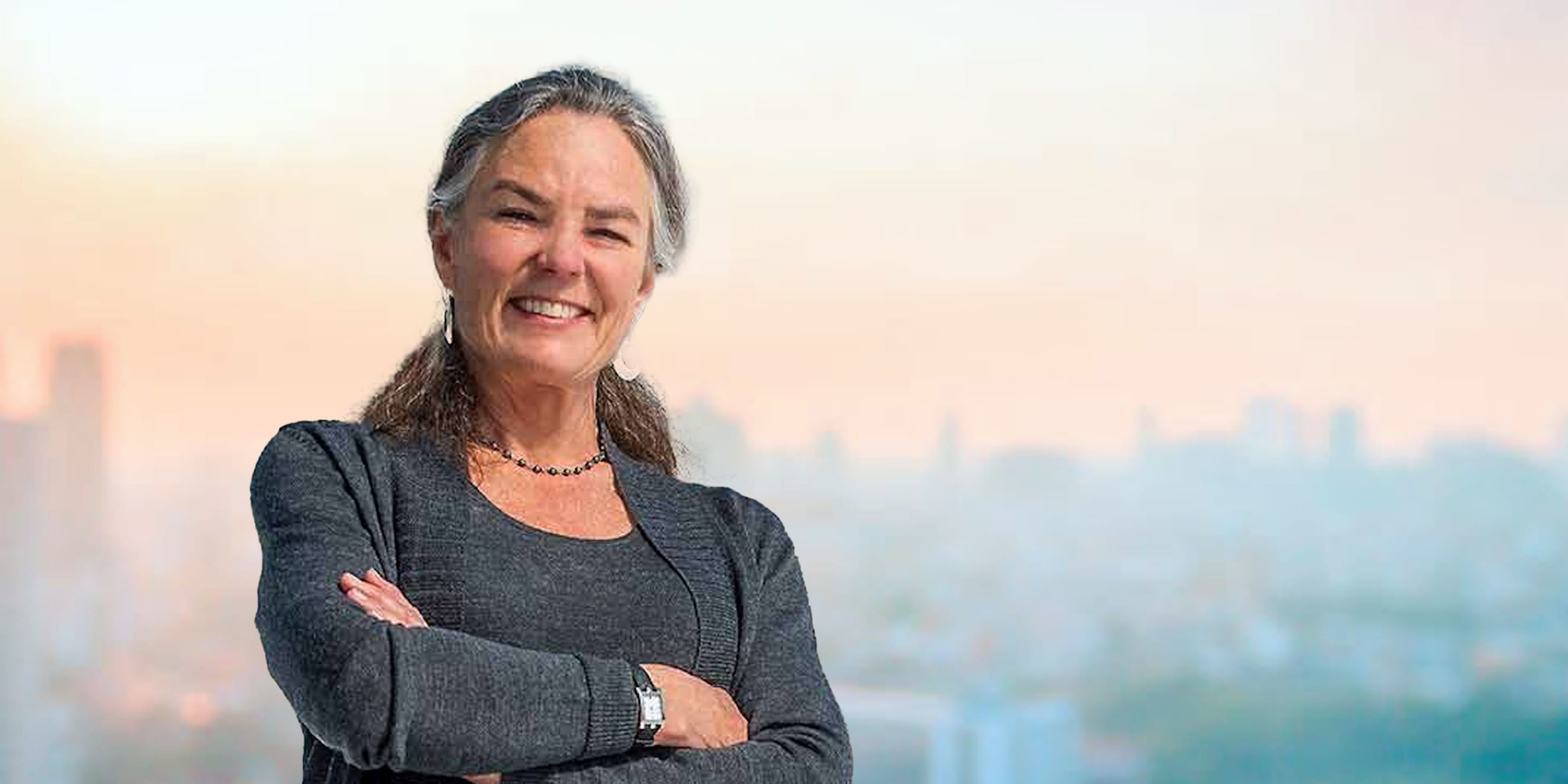
An RTD customer finds community through transit
Meet Denver native Elizabeth McVicker and her deep appreciation for RTD
Transit enthusiast and RTD customer Elizabeth McVicker has watched as the city has grown and flourished alongside RTD. Born in Denver and raised in Wheat Ridge, McVicker grew up exploring all around the Denver metro. She’s witnessed firsthand RTD’s service expansion throughout the region.
Conveniently getting around town
McVicker and her husband are longtime RTD customers and enthusiastic advocates for public transit. “We have a car, but we never use it. Why would we?” she said with a laugh. Whether they’re headed to Broncos games, attending musicals and plays, or traveling to Denver International Airport, RTD is their preferred way to get around. “It’s everywhere and it’s accessible,” she said. “We can get wherever we need without the stress of driving."
McVicker is a licensed attorney in Colorado and an assistant professor at MSU Denver, where discussions of equity and accessibility are central. As both a professor and an attorney, she believes public transit is “essential to a thriving community.”
Her rides on RTD often set the tone for her entire day. She recalled once meeting a fellow customer who noticed her MSU Denver water bottle and struck up a conversation and learned that his son was interested in becoming a lawyer as well, a brief conversation that reflected how transit creates space for meaningful, everyday connections. “Everyone is so friendly and respectful,” she reflected. “Optimism for my community prevails.”
As she and her husband have gotten older, accessibility has become even more important. With rail lines that take them just about anywhere, McVicker said transit allows them to stay active and engaged with their city.
Onboard, she is constantly observing the community around her. “I love talking to people, and I love people watching,” she said. She sees customers texting or watching their favorite show, reading books, or talking with the person next to them. What stays with her the most are the quiet goodbyes. “I’ve heard people say, ‘I love you’ at the end of their phone calls when they’re getting off more times than I can count.”
Having experienced public transit systems in cities like Chicago and New York, McVicker appreciates what RTD does well. “Chicago’s mass transit is fabulous, as is NYC, but Denver’s is newer,” she said. “RTD has done a great job with maintenance and scheduling. I depend on the reliable schedule, and now that the infrastructure upgrades are coming to a close, the schedules are right on time.”
An appreciation for urban development around transit
Beyond her daily trips, McVicker also sees how transit has shaped Denver itself. The growth of housing developments and business districts around stations stand out to her as evidence of transit’s role in strengthening communities. With the Denver metro’s population growing by more than a million since 2020, she believes transit-oriented development is critical. “Our highways, water resources, and air quality depend on denser living areas,” she said. “When residential development includes multifamily buildings around mass transit options, coupled with bike lanes and easy walking routes, our city and state will thrive.” As a board member for a water conservancy district, McVicker also points to water conservation as a benefit, noting that denser housing supports Colorado’s limited water resources.
Safe and accessible
For those hesitant to ride RTD because of safety concerns, McVicker speaks from long experience. “I have been riding RTD for over 30 years and have never felt unsafe. However, for those that have, the increase of police officers and security is reassuring.” Read more about RTD personal safety and security here. McVicker is equally quick to praise RTD’s operators. “The drivers of the trains and buses are kind and accommodating to anyone with mobility challenges,” she said, adding that wheelchairs, strollers, and walkers can easily board thanks to both the drivers and the system’s built-in accessibility features.
When asked how her life would be different without access to public transit, McVicker doesn’t hesitate: “Totally different,” she said. “I am happy, healthy, and connected with my community thanks to RTD.”
Making connections to destinations and the community
That lasting connection, she explained, comes down to trust, cleanliness, and reliability. “The fact that my city offers me a sustainable option for transportation means my work and home life are connected.”
For McVicker, RTD is far more than a way to get from one spot to another. It’s a shared space where community comes to life, whether she’s talking with her students on their way to class or observing a full moon alongside a train car full of strangers. And for anyone unsure about trying public transit, her message remains the same: “Ride. See for yourself. You might just fall in love with it like we did.”