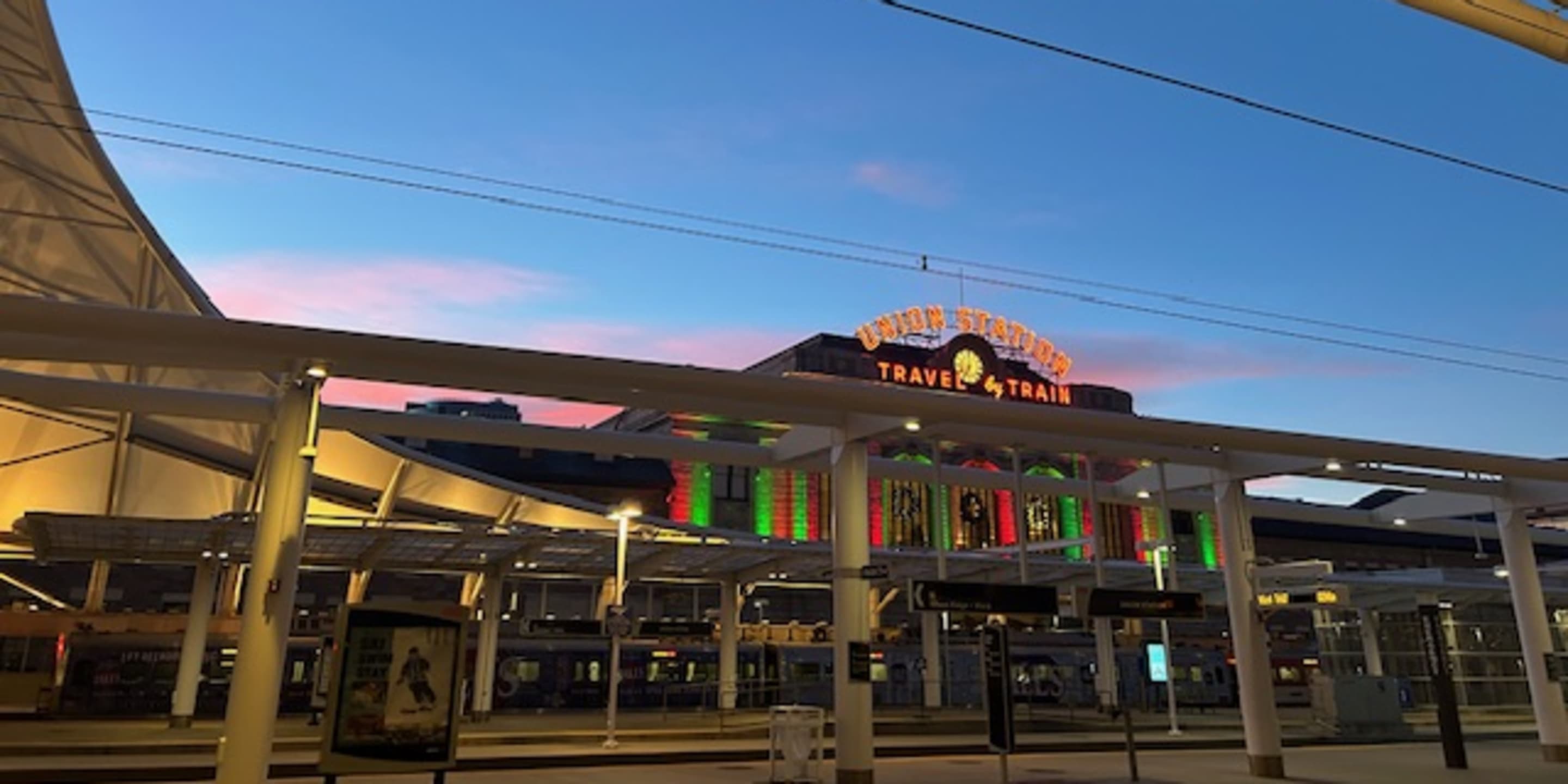
Every minute matters: Family speed runs RTD rail lines end-to-end
At 5:51 a.m. on Dec. 26th, while most of the city was slow to wake after Christmas Day, Abe Lamontagne boarded a train at Wheat Ridge•Ward Station with his brother, Simon, and his dad, Jeff. With a supply of snacks and a meticulously crafted schedule, they set out to attempt something extraordinary even by the most passionate transit enthusiast's standards: visit all 77 RTD light and commuter rail stations in a single day, as fast as possible.
It’s known as a rail challenge among a small but dedicated group of enthusiasts that participate. Groups or individuals plan their route down to the minute and then spend the day finding out whether the system will cooperate. The trial-by-transit has roots dating back to 1959, when the first recorded Tube Challenge took place in London. Guiness World Records officially observes and records them as well.
For Abe, the idea had been sitting in the back of his mind for years. He grew up in Lakewood and now lives in Los Angeles, where he gets around without a car and spends a lot of time on trains. While he has completed similar challenges in other cities, Denver always felt unfinished. But a holiday visit with family proved to be the perfect opportunity.
“I’ve wanted to do RTD for a long time,” he said. “It’s the system I grew up with.”
That history runs deeper than commuting. When Abe was 13, shortly after the W Line opened, he held his birthday party on the light rail. Years later, his dad traveled RTD stations while hiding geocaches. So, when Abe mentioned the challenge over the holidays, the idea of doing it together did not seem out of their element.
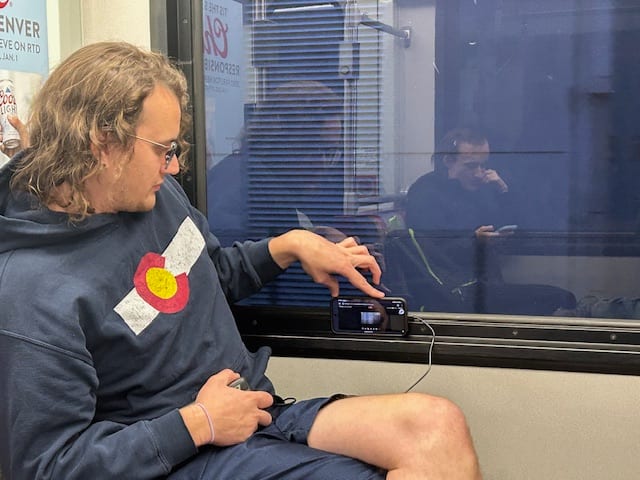
Abe records progress for RTD rail speed run / Photo Credit: Jeff Lamontagne
Abe handled most of the planning, mapping out dozens of transfers and deciding where they could afford to take risks. Some connections were intentionally tight. Others built in breathing room. When it came to the riskiest calls, he checked in with his family.
“It’s a long day,” he said. “You have to be honest about what you can actually pull off.”
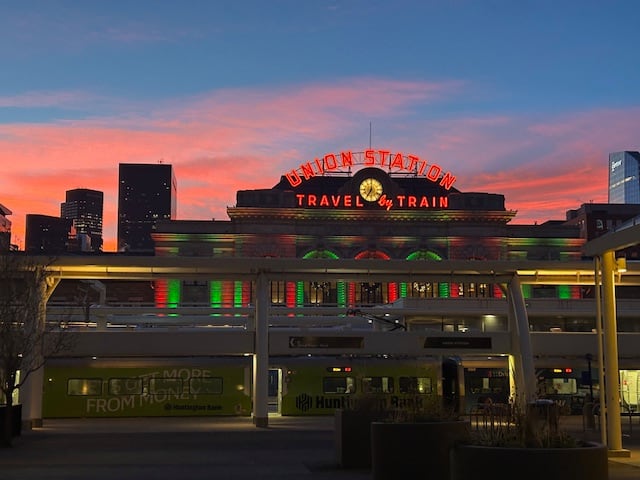
Photo Credit: Jeff Lamontagne
The morning went smoothly. A planned wait at Westminster Station turned into time to explore a part of the system none of them had really seen before. At Union Station, they found themselves stopping mid-walk, turning around more than once to watch the sun rise over the platforms. These unplanned moments quietly became the heart of the trip.
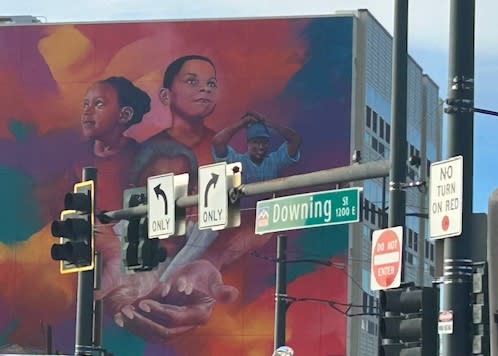
Photo Credit: Jeff Lamontagne
As the day wore on, the reality of operating a large rail system began to show itself. On the W Line, trains ran a few minutes behind in both directions. At Red Rocks College Station, they waited while another train passed. The delays were brief, but they stacked up, costing the group about half an hour they could not make back.
Later, after hours of staying close to schedule, the success of their run came down to a single transfer at Union Station. The plan was to arrive on the D Line and cross over to catch the N Line three minutes later. Then a brief pause on arrival shrank that window to about 80 seconds.
“We were sprinting,” Abe said. “I was right there.”
The N Line pulled out just as they reached the platform. They had to wait another 30 minutes.
That moment ended any chance of breaking the existing record, but it underscored something Abe kept coming back to as the day went on. In a system where trains operate every 15 or 30 minutes, a short delay does not stay short for long.
“A six-minute delay doesn’t make you six minutes late,” he said. “It can make you 15 or 30 minutes late, depending on what you miss.”
For RTD customers using the system to get to work, school, or the airport, those margins matter even more.
By late afternoon, the family was tired but still taking time to soak in the scenery. Prairie dogs gathered near 40th Ave & Airport Blvd•Gateway Park. Then there was frantic search for a restroom at Belleview. Some stations surprised them with how much had grown up around them.
Abe pointed to Sky Ridge Station as an example. When it opened, it felt isolated. This time, stepping off the train, he found himself surrounded by development. One stop away, at Lone Tree City Center, the contrast was hard to miss.
“You can see how different stages of growth exist side by side,” he said. “Some places feel like they’re waiting. Others already got there.”
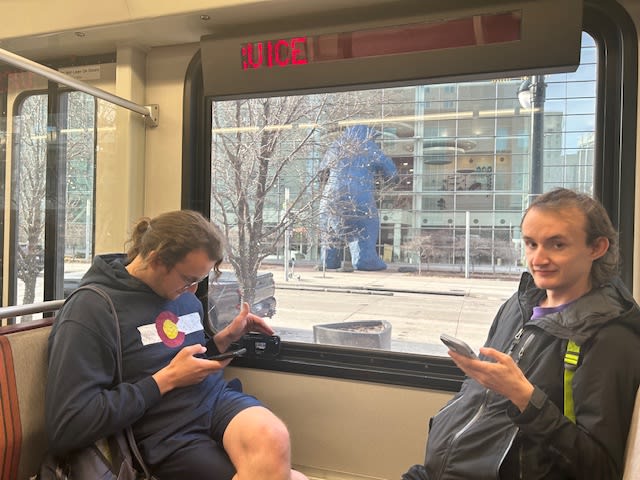
Abe, left, pictured with his brother, Simon, right / Photo Credit: Jeff Lamontagne
That long view gives Abe a unique perspective about RTD. He is candid about the frustrations, especially around frequency and coordination, but he is also clear-eyed about the scale of what exists.
“It’s a massive system,” he said. “There aren’t many places that have pulled off this kind of buildout.”
The family finished their run at Eastlake•124th Station after a brisk 9 hours, 7 minutes, and 32 seconds. They did not set a record. Since then, others have gone out and posted faster times. Abe expects the numbers to keep changing.
That part does not bother him much.
For him, the challenge is as much about seeing the whole picture as it is about the clock. Planning something that looks perfect on paper, then watching how it holds up when real trains, real schedules, and real people are involved.
“You learn the system in a way you just don’t otherwise,” he said. “You learn where the gaps are, and you learn what works better than you expected.”
Abe says he will try the rail challenge again someday, when personal schedules and timing allow. Record or not, the day gave his family something as rare as it was unforgettable: a full-system view of RTD's rail network just as customers experience it, where small victories, frustrations, and surprises all share the same track.
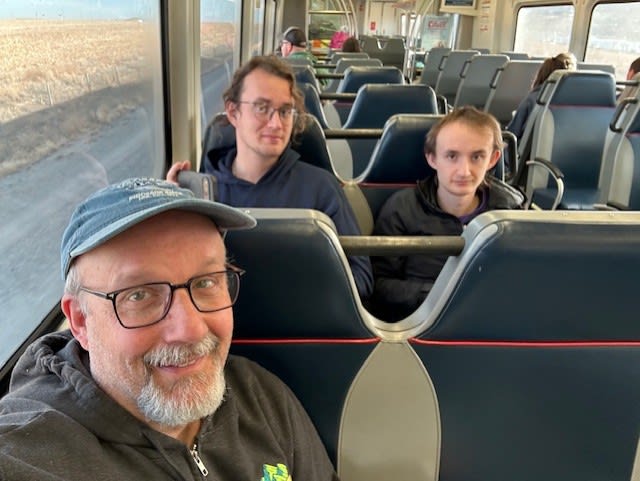
Photo Credit: Jeff Lamontagne
Abe Lamontagne owns and administers a website where public transportation enthusiasts can compare their speed results and vie for top spots on the leaderboards. To find more information, and track results for your own rail challenge, visit TransitRuns.org.